
AI in Healthcare: Uses, Examples, Applications & Training
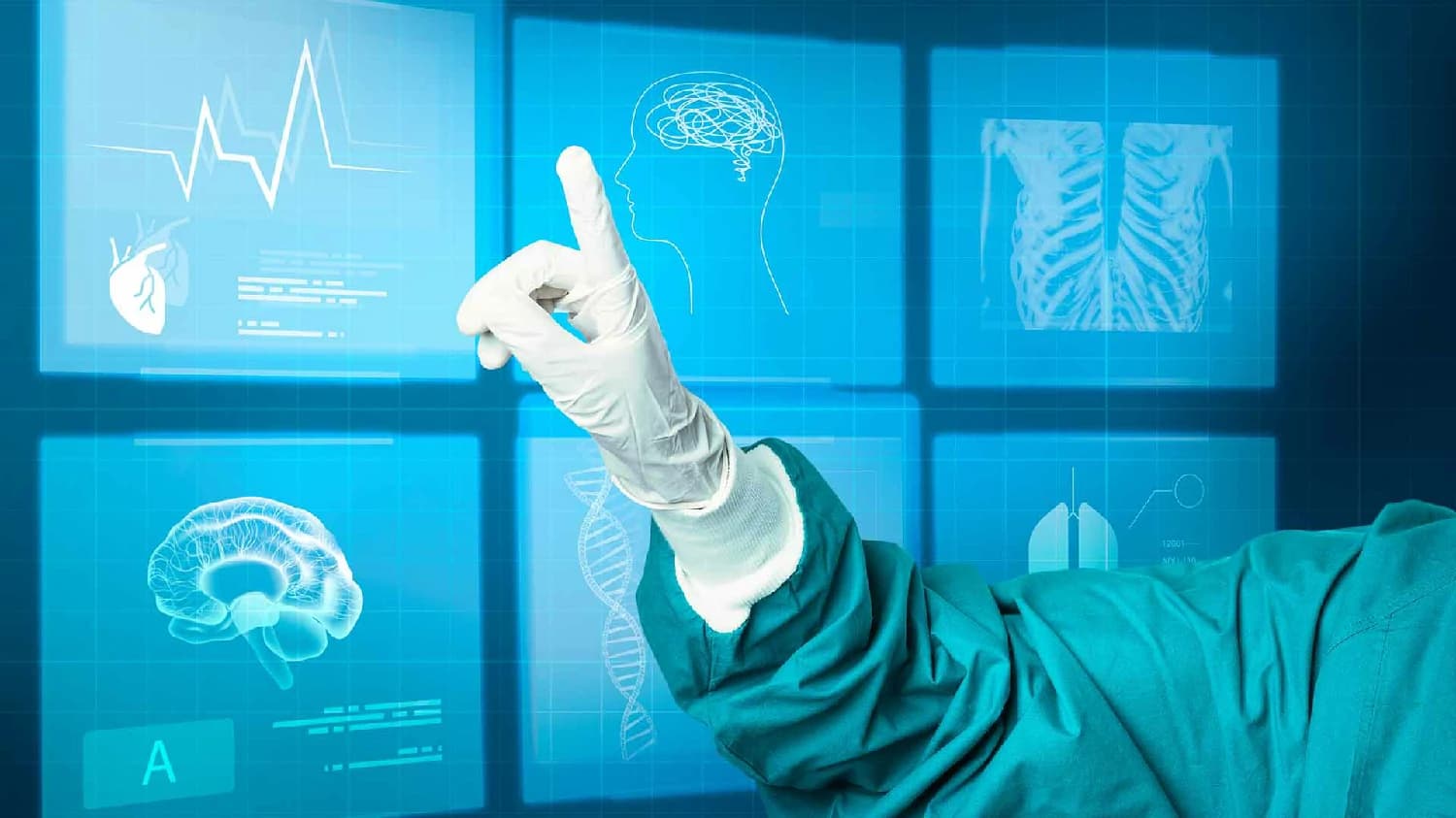
Artificial intelligence in healthcare refers to the use of advanced algorithms, machine learning, and data analytics to support clinical decisions, improve operational efficiency, and enhance patient outcomes. Today, AI is used across hospitals and medical institutions to analyse medical data, assist diagnostics, optimise treatment planning, and support hospital management systems.
Processing large volumes of clinical data at this scale simply isn't realistic with traditional systems alone. As a result, AI in medicine is increasingly recognised as a key technology for improving patient care, reducing administrative workload, and supporting more informed medical decisions.
AI in Healthcare vs Traditional Health IT
Traditional health IT systems mainly focus on storing and organising medical records. AI in healthcare goes further — analysing data patterns and generating insights that support both clinical and administrative decision-making.
While conventional systems manage information, AI can interpret imaging results, identify risk patterns in patient data, and assist healthcare professionals with predictive insight. This shift — from simple data management to intelligent analysis — is one of the main reasons AI is becoming a strategic priority for modern healthcare organisations.
How Healthcare Leaders Use AI in Management
Across modern hospitals and healthcare systems, AI is becoming a practical tool for leadership teams — not just clinical staff. Executives are no longer using data only for reporting; they're using it to anticipate demand, improve operational efficiency, and guide strategic decisions.
For example, AI can analyse patient admission patterns, predict peak service demand, and help administrators plan staffing levels more accurately. In large health systems, this also supports smarter resource allocation, helping managers balance cost control with quality of care — shifting healthcare management from reactive decision-making toward data-driven leadership.
Real Examples of AI in Healthcare
Several practical applications of AI are already in use across real medical environments:
- Medical imaging analysis, where algorithms support clinicians in identifying abnormalities in scans
- Predictive risk models that flag high-risk patients earlier than manual review typically would
- Clinical decision support tools that assist doctors in evaluating treatment options
- Hospital workflow optimisation, improving scheduling and resource use across departments
A widely recognised example is the use of machine learning in radiology, where systems can highlight potential issues in X-rays or MRIs. These tools don't replace clinicians — they help speed up diagnosis and reduce human error in high-volume, high-stakes review work.
Read more: Choosing the Right AI Training Program for Your Organization
AI Medical Chatbots: Use Cases, Safety, and Deployment
Another fast-growing application is the AI medical chatbot. Many hospitals now deploy these tools on websites or patient portals to handle routine interactions such as appointment booking, symptom guidance, and answering common health questions.
Typical applications include:
- Patient triage before consultations
- Basic symptom checking
- Medication reminders
- Post-treatment follow-up communication
Deploying a medical chatbot responsibly requires strict safeguards. Healthcare organisations must ensure strong data protection, clinical oversight, and clear limitations so patients understand when human medical advice is genuinely required.
How to Implement AI in Healthcare Successfully
Adopting AI in healthcare isn't simply about purchasing software — successful implementation requires a structured strategy built around three core elements:
Data readiness — high-quality, secure clinical data is essential for any AI system to function reliably.
Governance and ethics — strong policies ensure AI is used responsibly, with clear accountability for clinical decisions.
Workforce capability — staff need to understand how AI systems support (not replace) clinical and operational decision-making.
This is why many healthcare organisations invest in specialised training to help professionals understand how these technologies work in practice. When implemented carefully, AI in healthcare can improve efficiency, support clinicians, and ultimately enhance patient outcomes.
Healthcare AI Training at London Optimum (LOTC)
At London Optimum Training & Consultancy (LOTC), we provide specialised training designed to help healthcare organisations understand the practical value of AI in medicine. Our programmes are built for healthcare leaders, administrators, and technical professionals who want to explore real-world examples, understand the strategic role of AI in healthcare management, and learn how to adopt AI safely and responsibly.
LOTC delivers professional training in major international hubs, including London, Dubai, Paris, and Barcelona.
Our healthcare AI programmes include:
For more information about our healthcare AI training, contact London Optimum Training & Consultancy (LOTC) or reach us directly on WhatsApp at 07553430145.

FAQs about AI Courses for Health and Medicine:
How is AI used in healthcare?
AI is increasingly used to support clinical decision-making, automate administrative tasks, analyse medical data, and improve patient engagement. Many healthcare organisations now rely on ai in healthcare tools to assist with diagnostics, scheduling, medical imaging analysis, and operational planning.
What are the most common uses of AI in healthcare?
Some of the most common uses of ai in healthcare include predictive analytics for patient risk, medical imaging analysis, hospital workflow optimisation, and intelligent digital assistants. These applications show how artificial intelligence in healthcare can enhance both clinical outcomes and operational efficiency.
What is an example of AI in healthcare in hospitals?
A common example of ai in healthcare is the use of AI systems that analyse radiology images to help detect diseases earlier. Hospitals also use ai in medicine to predict patient readmissions, optimise bed management, and support clinical decision systems.
Are AI medical chatbots safe for patients?
When properly designed and supervised, an ai medical chatbot can safely provide basic health guidance, appointment support, and patient education. However, these tools are typically used as support systems rather than replacements for healthcare professionals, ensuring that critical medical decisions remain under clinical oversight.